
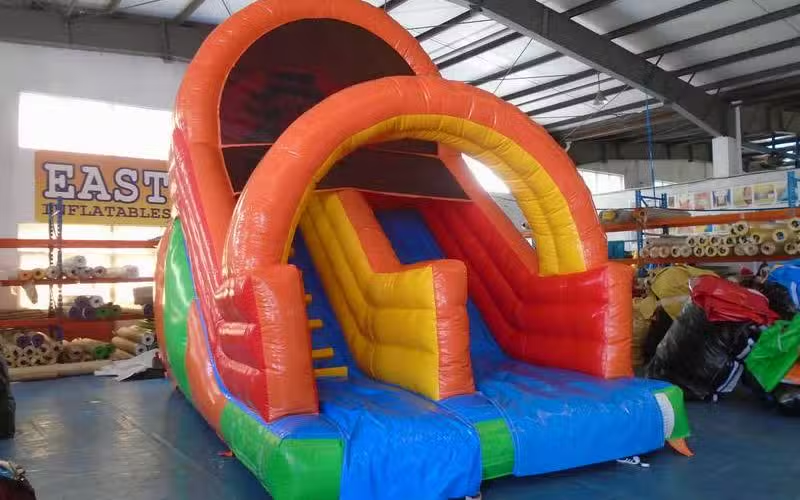
Winter is where a lot of inflatable damage actually happens—not during use, but in storage. Damp packing, cold condensation, pests, and rough handling can turn a perfectly good unit into a mouldy, sticky, or seam-stressed headache by spring.
Use these 7 simple rules to store inflatables over winter without damage, whether you’re a rental operator or storing personal equipment.
Rule 1) Never store an inflatable unless it’s 100% dry
This is the #1 cause of winter problems.
Before packing:
- towel-dry corners, seams, and landing zones
- keep the unit inflated with airflow for longer than you think you need
- check “hidden” areas where moisture sits (entrance step, tunnels, slide landings)
Quick test: if any area feels cool or slightly damp, it’s not ready.
Rule 2) Clean first—dirt becomes damage over time
Leftover grime attracts mould and can break down surfaces.
Do a simple clean routine:
- dry sweep/vacuum first
- wipe with mild soap and water
- use a manufacturer-approved disinfectant if needed
- rinse lightly (avoid soaking seams)
Then dry again completely.
Rule 3) Fold/roll the right way to protect seams and artwork
Bad rolling is a winter killer—creases, seam stress, and scuffs show up later.
Better habits:
- fold evenly (don’t twist)
- keep heavy stress areas (entrance/slide) from being crushed under tight bends
- avoid sharp creases on printed panels
- roll firmly but not “tight-to-death”
If your manufacturer provides a folding method, follow it.
Rule 4) Use a proper storage bag and keep it off cold floors
Concrete floors and cold garages create condensation—especially when temperatures swing.
Do this instead:
- store in a clean, tough bag (not torn tarps)
- place units on pallets, shelving, or a raised platform
- avoid direct contact with concrete and damp walls
This one step prevents a lot of “mystery moisture” issues.
Rule 5) Control the storage environment (humidity beats temperature)
Cold is less damaging than damp.
Aim for:
- dry, ventilated space
- stable conditions (fewer big temperature swings)
- no water leaks or dripping pipes
- keep away from heaters that can over-dry or warp surfaces
If your storage space is humid, consider a dehumidifier or moisture absorbers (and check them regularly).
Rule 6) Protect from pests and crushing weight
Winter storage invites rodents, and stacked gear can deform inflatables.
Protect your units by:
- sealing storage bags properly
- keeping units away from food, cardboard piles, and clutter
- placing heavier items below, never on top of inflatables
- avoiding sharp-edged tools or metal parts nearby
A small chew hole or long-term pressure crease is an expensive spring surprise.
Rule 7) Do a mid-winter check (10 minutes saves the season)
Most people store and forget—until the first booking.
Once mid-winter:
- inspect bags for damp patches
- check for smells (early mould warning)
- confirm no pests or nesting
- re-position units if something is crushing them
If you catch issues early, you can dry and reset before damage spreads.
Final takeaway
Storing inflatables over winter without damage is mostly about three things: dryness, clean packing, and a dry environment. If you follow these 7 rules, you’ll open your storage in spring with equipment that’s fresh, safe, and ready to earn—rather than needing repairs and deep cleaning right away.